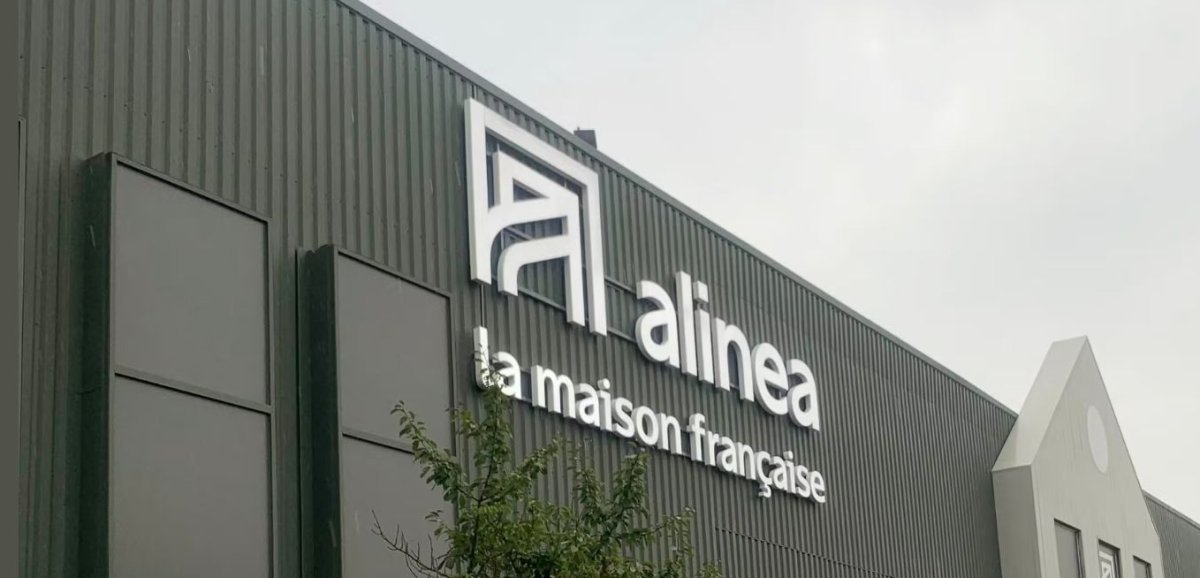
Alinéa Faces New Judicial Reorganization: A Deep Dive into Its Uncertain Future
The landscape of French retail is once again witnessing a significant challenge, as furniture giant Alinéa, a familiar name in French households, has been placed under judicial reorganization (
redressement judiciaire) by the Marseille Economic Activities Court. This critical decision, rendered on November 20th, plunges its 1,200 employees into a new period of uncertainty, raising serious questions about the brand's future amidst an increasingly volatile economic climate. For many, this marks a worrying repeat performance for a company that has grappled with significant financial headwinds for years. This latest turn of events for the French furniture retailer, a process commonly known as
redressement Alinéa, highlights the immense pressures facing traditional retailers.
Alinéa, founded in 1989 and headquartered in Aubagne (Bouches-du-Rhône), is a subsidiary of Néomarché, a company ultimately controlled by the prominent Mulliez family – a powerhouse in French retail with stakes in giants like Auchan and Leroy Merlin. While the Mulliez family's backing usually signifies robust support, Alinéa's journey has been anything but smooth, repeatedly demonstrating the brutal realities of the modern retail landscape.
A Troubled History: Alinéa's Previous Battles and Turnaround Attempts
This isn't Alinéa's first encounter with judicial reorganization. The company faced a similar predicament in 2020, a period severely impacted by the COVID-19 pandemic. At that time, the business environment was exceptionally harsh:
- Impact of COVID-19: The health crisis led to prolonged store closures, drastically reducing Alinéa's revenue. The company reported saving only 15% of its turnover during the initial lockdown months.
- Previous Social Unrest: This was compounded by the lingering effects of the "Yellow Vest" protests starting in late 2018 and the pension reform demonstrations a year later, which disrupted consumer activity and foot traffic in commercial areas.
During the 2020
redressement judiciaire, approximately 2,000 employees across nearly 30 stores faced an anxious wait. Ultimately, Alexis Mulliez, then CEO, successfully repurchased Alinéa with the crucial support of the Association Familiale Mulliez (AFM). A comprehensive recovery plan was subsequently put in place, driven by ambitious goals to revitalize the brand. The objective was clear: to significantly increase Alinéa's critical size, develop a strong offering of European-made products, and position itself as a credible alternative to market leader Ikea in France. This period marked a critical juncture, defining the strategic direction that would lead to its current challenges.
The Ambitious Turnaround Strategy and Its Unforeseen Shortcomings
Following the 2020 reorganization, Alinéa embarked on an aggressive strategy to regain market share and financial stability. Key components of this ambitious plan included:
- Boosting Critical Size: The goal was to achieve economies of scale and enhance purchasing power, crucial in a competitive market.
- Focus on European Manufacturing: Shifting towards products made in Europe was intended to differentiate Alinéa, appeal to evolving consumer preferences for local and sustainable goods, and potentially improve supply chain resilience.
- Direct Competition with Ikea: Positioning itself as a serious contender against the Swedish furniture giant required significant investment in product development, marketing, and the overall customer experience.
A significant move within this strategy came in 2023 with the integration of the Zodio chain of stores. Zodio, previously under the umbrella of Adeo (the parent company of Leroy-Merlin, also part of the AFM ecosystem), provided Alinéa with an immediate network expansion. All Zodio points of sale transitioned to the Alinéa brand in 2024, expanding Alinéa's retail footprint to 36 units across France. This consolidation was expected to fortify its market presence and strengthen its purchasing capabilities.
However, despite these concerted efforts and strategic maneuvers, the company failed to turn the financial tide. The latest figures are stark: in 2024, Alinéa recorded staggering operating losses of €54 million against a turnover of €162 million. This indicates a deeply unprofitable business model, where costs far outstrip revenue generation. The sheer scale of these losses, even after a significant restructuring and expansion, underscores the profound challenges Alinéa faces. It suggests that while the strategic direction might have been sound on paper, execution, market conditions, or unforeseen operational hurdles prevented the desired financial recovery. This ultimately led to
Alinéa's turnaround fails: judicial reorganization again.
Understanding the New Judicial Reorganization: What Lies Ahead?
The recent placement under
redressement judiciaire by the Marseille court initiates a critical six-month observation period. During this time, the court-appointed administrators will thoroughly assess Alinéa's financial health, operational viability, and potential for recovery. The primary objectives are to:
- Safeguard the Business: Keep the company operating while solutions are sought.
- Restructure Debts: Negotiate with creditors to reschedule or reduce financial obligations.
- Evaluate Recovery Plans: Determine if a viable plan exists for the company's continuation or if a takeover by new investors is the best path forward.
For the 1,200 employees, this period is fraught with anxiety. While the immediate goal of judicial reorganization is to avoid outright liquidation, job security remains a significant concern. The potential scenarios for Alinéa's future include:
- A Continuation Plan: Similar to 2020, shareholders (potentially the Mulliez family again) could propose a new plan to restructure and continue operations, contingent on court approval and creditor agreement. This would likely involve further operational adjustments and cost-cutting measures.
- Takeover by New Buyers: Another possibility is the sale of Alinéa, or parts of it, to new investors who believe they can successfully revitalize the brand. This would introduce new leadership and potentially a fresh strategic vision.
- Liquidation: In the worst-case scenario, if no viable continuation plan or takeover offer emerges, the court could order the liquidation of Alinéa, leading to the closure of its stores and the sale of its assets. However, during the observation period, stores typically remain open and continue trading.
The decision on November 20th kicks off a race against time for Alinéa's management, employees, and stakeholders to forge a sustainable path forward in a fiercely competitive market.
Navigating the Future: Challenges and Opportunities for Alinéa
The path ahead for Alinéa is undeniably challenging, yet potential opportunities may still exist for a restructured and revitalized entity.
Key Challenges:
- Intense Competition: The French furniture market is highly saturated, with formidable players like Ikea, But, Conforama, Maisons du Monde, and a growing number of online retailers. Standing out and capturing market share requires a truly unique value proposition.
- Evolving Consumer Behavior: Shoppers are increasingly seeking sustainable products, convenient online shopping experiences, and even turning to the second-hand market. Alinéa must adapt its offerings and channels to these shifts.
- Economic Headwinds: High inflation and the ongoing cost of living crisis are impacting household discretionary spending, making big-ticket purchases like furniture less frequent.
- Brand Perception: Repeated judicial reorganizations can erode consumer trust and brand loyalty, making it harder to attract and retain customers.
- Integration Pains: Fully integrating Zodio's operations, supply chains, and brand identity under the Alinéa banner is a complex task that could still present challenges.
Potential Opportunities (if a viable plan emerges):
- Brand Recognition: Despite its struggles, Alinéa remains a recognized name in France, which could be a foundation for rebuilding.
- Strategic Store Locations: A network of 36 physical stores offers a tangible presence that many online-only competitors lack, providing opportunities for unique in-store experiences.
- Leaner Business Model: A judicial reorganization often forces a fundamental re-evaluation of costs and operations, potentially leading to a more efficient and agile business.
- European Sourcing: Maintaining a focus on European-made products could tap into consumer demand for quality, sustainability, and supporting local economies, differentiating Alinéa from competitors heavily reliant on global supply chains.
- Omnichannel Strategy: A renewed focus on seamlessly integrating online and offline shopping experiences could be a key to success.
Practical Insights: For employees, it’s vital to stay informed through official channels and understand their legal rights. For customers, while stores remain open, monitoring news for long-term viability will be important. For any potential investors or buyers, Alinéa presents a classic turnaround challenge: significant inherent value (brand, network) but deep-seated operational and financial issues that require strategic acumen and substantial capital to resolve. A successful turnaround in today's retail environment often hinges on a strong omnichannel presence, a clear and unique value proposition, stringent cost controls, and an agile supply chain that can respond to rapid market changes.
Conclusion
The latest
redressement judiciaire for Alinéa is a stark reminder of the relentless pressures within the retail sector. As the six-month observation period begins, the fate of 1,200 employees and the future of a well-known French furniture brand hang in the balance. While its history shows resilience and the backing of a powerful family, the financial realities of €54 million in operating losses demand a profound transformation. Whether Alinéa can leverage this crisis into an opportunity for true reinvention, or if it marks a more definitive end to its current iteration, will depend entirely on the viability of the plans that emerge over the coming months. The ability to innovate, adapt to consumer shifts, and operate with unparalleled efficiency will be crucial for Alinéa to navigate these turbulent waters and secure its place in the demanding world of modern retail.